Review: Christmas Lights Bow Sublimation Design
As a designer who has spent years translating digital concepts into tangible thread, I approach every new asset with a critical eye. We are not just looking at pretty pictures; we are evaluating how a design will behave under the needle, how it translates to fabric, and whether it holds up in the hands of a customer. Today, I am taking a close look at the Christmas Lights Bow Sublimation Design. While this asset is categorized under Illustrations, its utility extends far beyond simple printing, offering unique opportunities for mixed-media embroidery projects and hybrid crafting.
First Impressions and Visual Mood
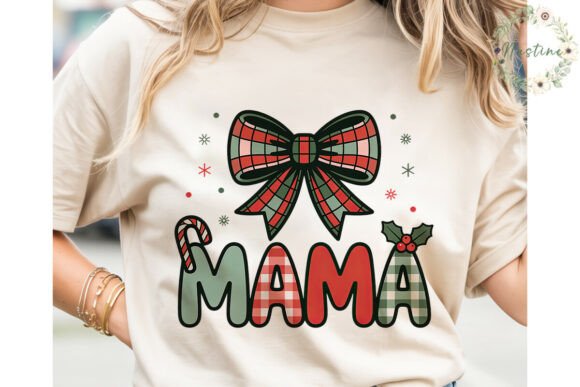
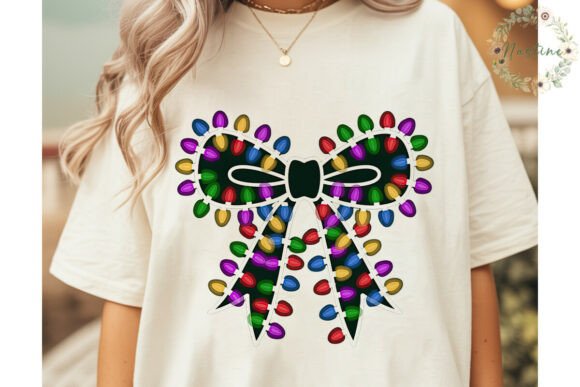
The immediate impact of this design is warmth. It captures that specific, nostalgic glow of holiday evenings without relying on clichéd, overly complex imagery. The bow structure provides a strong central anchor, while the integrated lights add a layer of whimsy and movement. For an embroidery designer, the layout is promising because it offers clear zones for stitching. The bow’s loops suggest natural areas for satin stitch application, providing that smooth, glossy finish that screams high-quality craftsmanship. Meanwhile, the light strands offer a delicate contrast, potentially utilizing running stitch or fine zig-zags to mimic the wire without adding excessive bulk.
This is not a design that shouts; it invites. It feels appropriate for boutique branding where subtlety is valued over flashiness. When I visualize this on a product, I do not see a generic department store item. I see a curated piece for a small shop product line that values aesthetic cohesion.
Real-World Application: The Holiday Tote Scenario
To truly evaluate a design, I imagine it in a real-life production scenario. Let us say I am preparing a batch of custom canvas tote bags for a local holiday market. These are not just any bags; they are heavy-duty, natural cotton canvases intended for gift-giving. Using the Christmas Lights Bow Sublimation Design here requires a strategic approach. Since this is a sublimation-ready illustration, the most effective method might be a hybrid technique. I would sublimate the design onto a patch of polyester fabric first, ensuring the colors of the lights remain vibrant and gradient-rich, which is difficult to achieve with thread alone.
Once the sublimated patch is created, I would applique it onto the tote bag. This transforms the project from a simple print into a textured embroidered patch feel. I could then use a decorative fill stitch border around the patch to secure it and add that handmade touch customers love. This method solves the issue of trying to embroider complex color gradients directly, leveraging the strength of the digital file while maintaining the tactile appeal of a handmade product.
Performance Across Different Products
Beyond totes, this design shows versatility. For sweatshirt embroidery, placing this design on the left chest area creates a sophisticated, minimal holiday look. It avoids the "ugly sweater" trope and instead offers a refined aesthetic suitable for adults. If you are an Etsy seller focusing on baby embroidery, scaling this down for a onesie or a burp cloth requires caution. The intricate details of the light bulbs must be simplified. In such cases, I recommend removing the smallest elements to prevent thread breaks and ensure the design remains legible on small hoop size constraints.
For custom apparel like aprons or kitchen towels, the durability of the design is key. If you choose to stitch this directly rather than using sublimation, you must consider the stitch density. A dense bow can make a tea towel stiff and unpleasant to use. Therefore, adjusting the underlay and reducing fill density is crucial for items that need to remain soft and functional.
Technical Considerations and Fabric Constraints
While the visual appeal is strong, practical execution demands attention to detail. This design includes fine lines representing the light wires. On textured fabrics like terry cloth or heavy wool, these fine details may get lost. It performs best on smooth, stable surfaces such as cotton poplin, polyester blends, or felt. If you are working with stretchy fabric, a cut-away stabilizer is non-negotiable to prevent distortion during stitching.
Dark fabrics present another challenge. The "lights" in the design rely on brightness. If you are stitching this directly onto black navy fleece, you must carefully select your thread colors. Standard reds and greens may not pop enough. Consider using metallic threads for the bulbs or high-contrast brights to ensure the design does not disappear into the background. Always test the design on scrap fabric first. Check how the colors interact with your specific machine’s tension and the fabric’s pile.
Enhancing Brand Value and Customer Trust
From a business perspective, the quality of your design assets directly influences perceived value. A crisp, well-executed Christmas Lights Bow Sublimation Design signals professionalism. It tells the buyer that care was taken in the creation process. For commercial embroidery projects, consistency is vital. If you are producing a line of holiday gifts, ensure that this design aligns with your brand’s color palette and style. It should feel like a natural extension of your existing printable mockup portfolio and physical inventory.
Customers engage more with products that tell a story. This design evokes memories of home and celebration. When used in personalized gift contexts, such as adding a name beneath the bow, it becomes a cherished keepsake rather than a disposable item. This emotional connection drives repeat business and positive reviews, which are the lifeblood of any craft business.
Practical Designer Notes for Implementation
Before you commit to a full production run, keep these technical checkpoints in mind:
- Check Licensing: Confirm whether the license allows for commercial use of finished items or if it is restricted to personal projects. Never assume; always read the terms provided with the digital embroidery file or illustration pack.
- Mockup Testing: Create black and white mockups to check for contrast issues. If the design looks muddy in grayscale, it will likely lack definition when stitched.
- Hoop Size Compatibility: Ensure the design fits within your standard hoop sizes without excessive resizing, which can distort aspect ratios.
- Stitch Path Optimization: If converting elements for direct embroidery, review the stitch path to minimize jumps and trims, which speeds up production time.
- Fabric Interaction: Test on both light and dark backgrounds. The sublimation aspect shines on white or light polyester, but direct embroidery needs careful thread selection for darks.
In conclusion, the Christmas Lights Bow Sublimation Design is a versatile asset that bridges the gap between digital illustration and tactile craft. It requires thoughtful application regarding fabric choice and technique, but when executed with precision, it elevates simple items into desirable holiday treasures. Whether you are creating a single personalized gift or stocking your small shop product line, this design offers the balance of charm and professionalism that modern makers strive for.