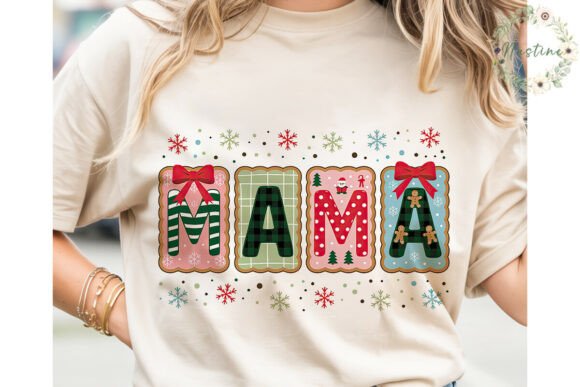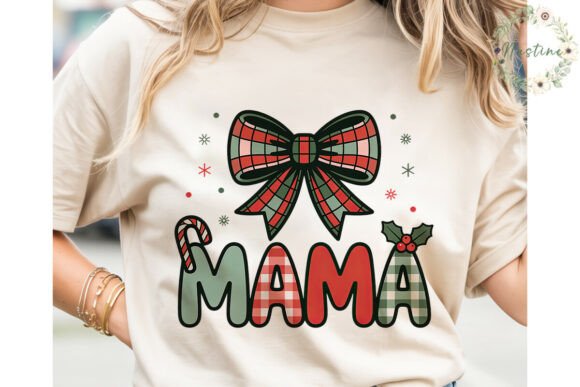
Review: Christmas MAMA Plaid Sublimation Design
As a designer who has spent countless hours digitizing patterns and testing files on everything from stiff denim to slippery satin, I approach every new machine embroidery design with a critical eye. It is not just about whether the image looks cute on a screen; it is about how that digital asset translates into thread, tension, and texture on a physical product. Recently, I evaluated the Christmas MAMA Plaid Sublimation Design, and while the title suggests a sublimation workflow, its application in the world of handmade goods offers unique opportunities for mixed-media projects and hybrid crafting techniques.
First Impressions and Visual Personality
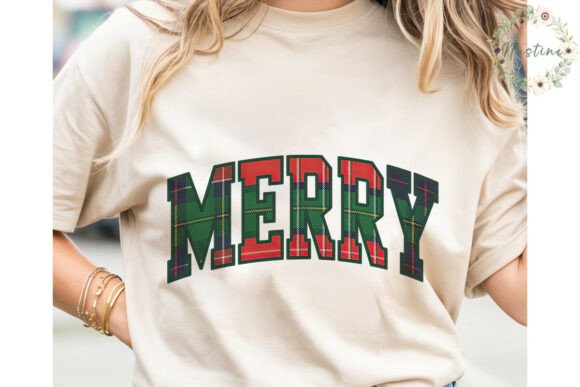
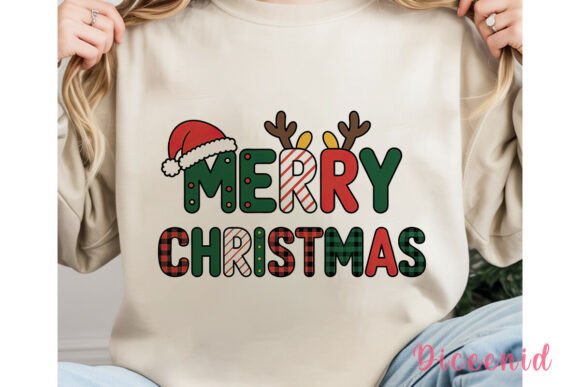
The first thing that strikes you about this piece within the broader category of Illustrations is its warmth. The plaid motif immediately evokes the cozy, nostalgic feeling of holiday mornings. It does not scream for attention with neon brightness but rather invites the viewer in with a sense of tradition. For an embroidery project, this visual personality is crucial. You want a design that feels intentional, not just slapped on. The layout appears balanced, suggesting that if adapted or used as a reference for stitching, it would maintain structural integrity without looking lopsided.
When I look at a design like this, I am thinking about mood. This specific aesthetic fits perfectly into the current trend of "modern rustic" holiday decor. It bridges the gap between traditional Christmas imagery and contemporary minimalist tastes. For small business owners and Etsy sellers, this is a vital distinction. Customers are increasingly looking for personalized gifts that feel curated rather than mass-produced. A design that carries this level of inherent charm reduces the effort needed to sell the emotional value of the finished product.
Real-World Application: The Custom Sweatshirt Test
To truly understand the viability of any design asset, I mentally place it on a real-world canvas. Let us consider a custom embroidered sweatshirt, a staple item for any craft business during the fourth quarter. Imagine using the Christmas MAMA Plaid Sublimation Design as the central graphic element. If you are working with sublimation, the vibrancy of the plaid can be locked into polyester blends beautifully. However, many of my clients prefer natural fibers like cotton or fleece for comfort.
In such cases, this design serves as an excellent template for a hybrid approach. You might sublimate the plaid background onto a patch fabric and then applique it onto the sweatshirt, securing it with a neat satin stitch border. This technique adds dimension and durability. Alternatively, if you are digitizing this illustration into an embroidery file, you must pay close attention to stitch density. Plaid patterns can become muddy if the fill stitch is too dense, causing the fabric to pucker. A skilled digitizer would use a combination of running stitch for the grid lines and lighter fill stitches for the colored blocks to preserve the fabric's drape.
Navigating Fabric and Hoop Constraints
Not every surface is forgiving. When evaluating where this design should be used carefully, we must consider textured fabrics and stretchy materials. If you are planning a tote bag design using heavy canvas, the bold lines of the plaid will hold up well. However, on thin fabric or delicate baby clothes, the complexity of the pattern could overwhelm the garment. For baby embroidery, simplicity is often key. If you adapt this for a onesie, ensure the scale is reduced significantly, or use it as a small accent on a pocket rather than a full-front print.
Curved surfaces like caps present another challenge. The distortion inherent in embroidering on a curved brim means that straight lines in a plaid pattern can appear warped if not properly compensated in the digitizing phase. If you are using this as a reference for an embroidered patch, ensure your stabilizer is cut-away rather than tear-away to provide long-term support. Dark fabric also requires consideration; if the plaid contains dark reds or greens, it may vanish against a black hoodie unless you introduce a light-colored backing or outline.
Enhancing Product Value and Brand Consistency
For creative entrepreneurs, consistency is currency. Using a cohesive set of design assets helps build brand recognition. The Christmas MAMA Plaid Sublimation Design fits seamlessly into a lineup of holiday embroidery projects. Whether you are creating kitchen towels, aprons, or pillow covers, maintaining a consistent visual theme across your small shop product listings increases buyer trust. When a customer sees that your holiday collection shares a common aesthetic thread, they perceive higher professionalism.
This design also boosts giftability. A personalized gift featuring a mom-centric theme combined with classic plaid appeals to a wide demographic. It is safe enough for conservative relatives yet stylish enough for younger buyers. In terms of commercial embroidery, this type of versatile graphic can be scaled for various applications, from large blanket hems to small decorative accents on ornaments. The key is to test the design in black and white mockups first to ensure the contrast holds up even without color information.
Practical Notes for the Serious Maker
Before you commit to production, there are several practical steps you must take. First, always test the design on scrap fabric that matches your final material. Check thread color contrast meticulously; what looks distinct on a monitor may blend together in thread. If you are converting this illustration into a digital embroidery file, review the stitch density settings. High density leads to stiffness and potential needle breaks, while low density may leave gaps.
Confirm your hoop size limitations. If the design is large, you may need to split it or use a larger hoop, which affects registration accuracy. Inspect small details closely; tiny lettering or intricate corners in the plaid intersection points may need simplification to stitch cleanly. Use proper stabilizer for your fabric weight—cut-away for knits, tear-away for wovens. Finally, and most importantly, confirm licensing before selling finished items or digital products. Ensure that the license attached to the Christmas MAMA Plaid Sublimation Design permits commercial use if you intend to sell the resulting handmade product or embroidered patch.
In conclusion, this design offers a strong foundation for holiday-themed creations. It requires thoughtful adaptation for embroidery, particularly regarding density and fabric choice, but its aesthetic appeal and versatility make it a valuable addition to any designer's toolkit. By respecting the technical constraints of machine embroidery and leveraging the visual warmth of the plaid motif, you can create finished products that resonate with customers and stand up to the rigors of daily wear and washing.